
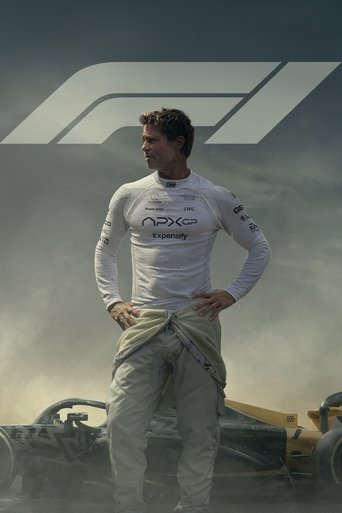
 17.8F12025 · 156 min
BestHDMovies: the best four movies of every year from 1985 to 2025, from Anne of Green Gables and Jurassic Park to A Beautiful Mind, Wonder and CODA
163 movies placed first to fourth in their year by audience score, each with its cast and a Watch now button.
2025 F12024 Young Woman and the Sea2023 Flamin' Hot2022 About Fate2021 CODA2020 Words on Bathroom Walls
Best movies of 2025
Decade list »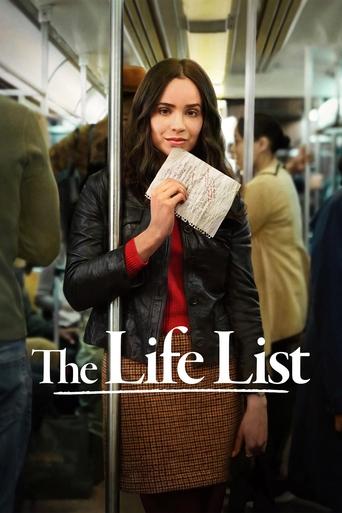 27.0
 36.9
 46.7
Best movies of 2024
Decade list » 17.8
 27.5
 37.3
 47.3
Best movies of 2023
Decade list »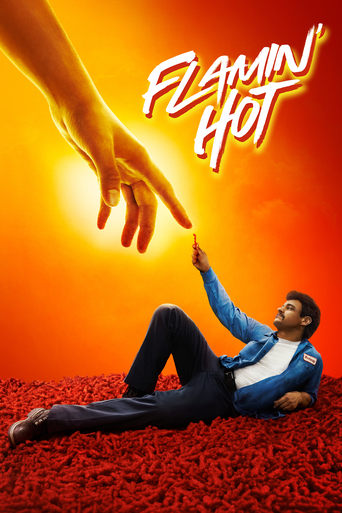 18.0
 27.6
 37.3
 47.2
Best movies of 2022
Decade list »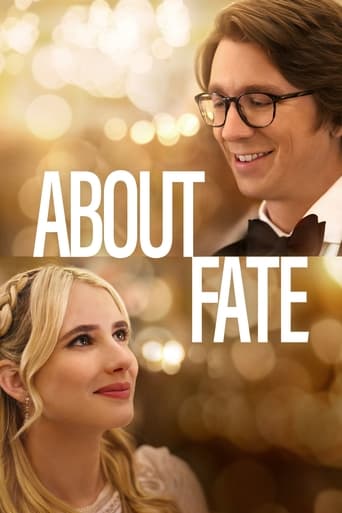 17.5
 27.5
 37.4
 47.4
Best movies of 2021
Decade list »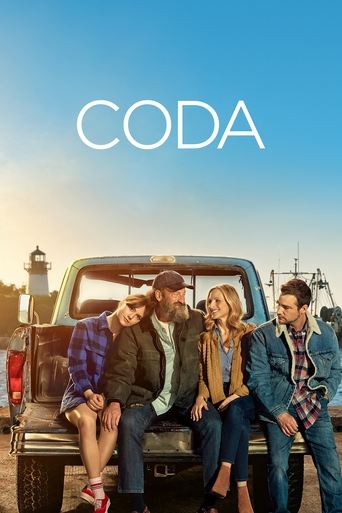 17.9
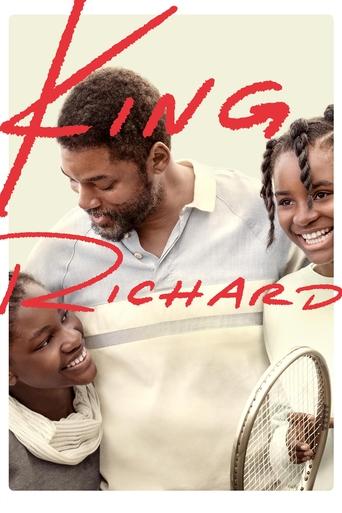 27.6
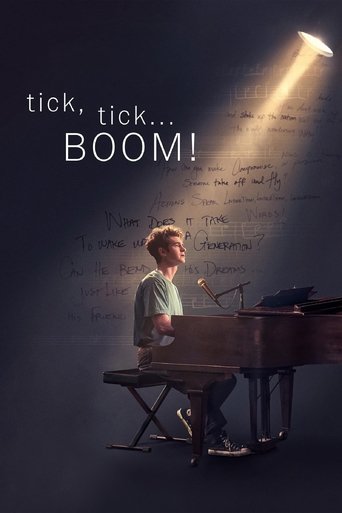 37.6
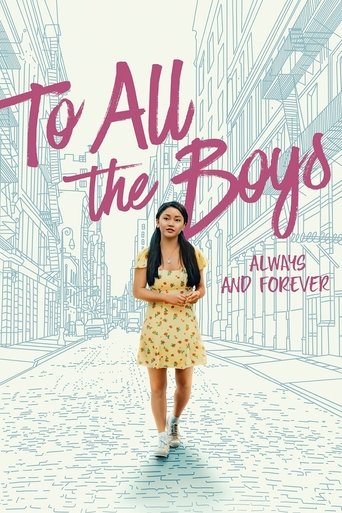 47.5
Best movies of 2020
Decade list » 17.8
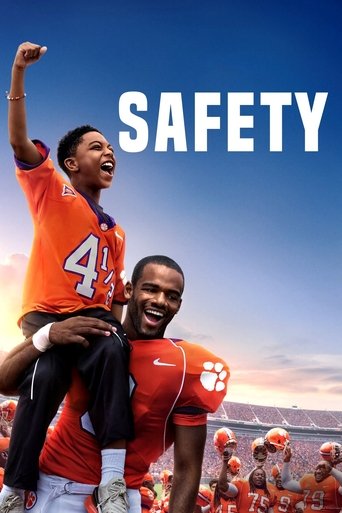 27.5
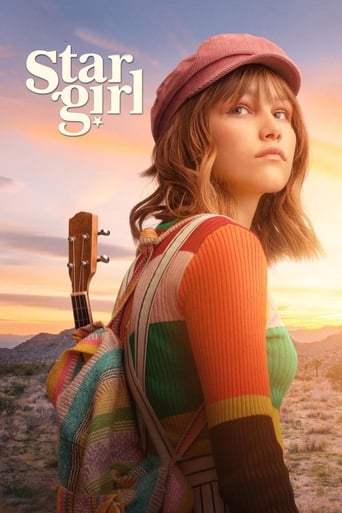 37.4
 47.3
Best movies of 2019
Decade list »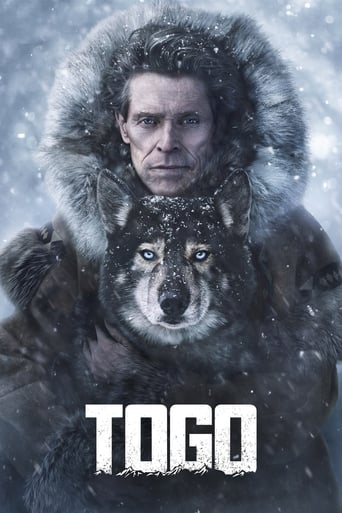 18.1
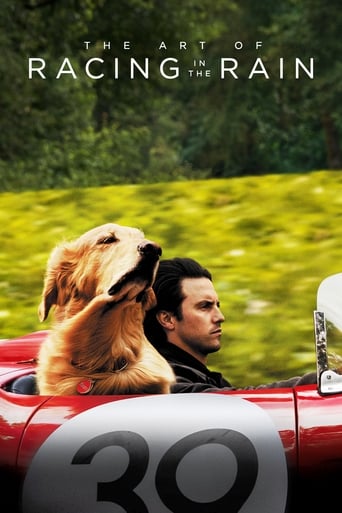 28.1
 37.4
 47.4
Best movies of 2018
Decade list »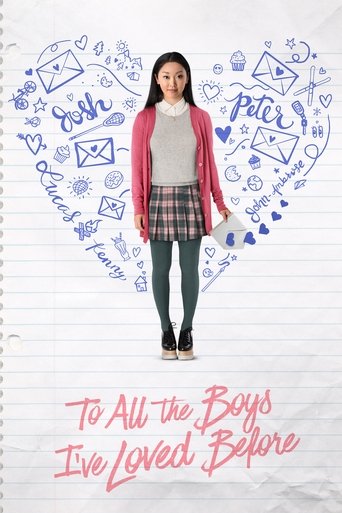 17.6
 27.4
 37.4
 47.3
Best movies of 2017
Decade list »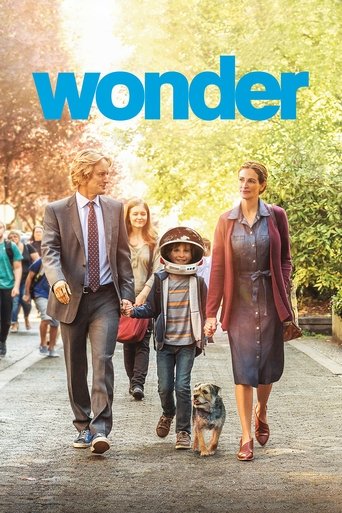 18.1
 27.6
 37.2
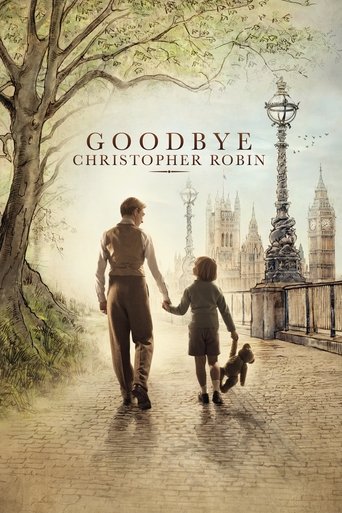 47.0
Best movies of 2016
Decade list »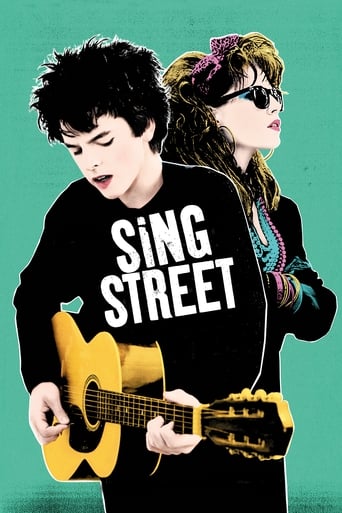 17.9
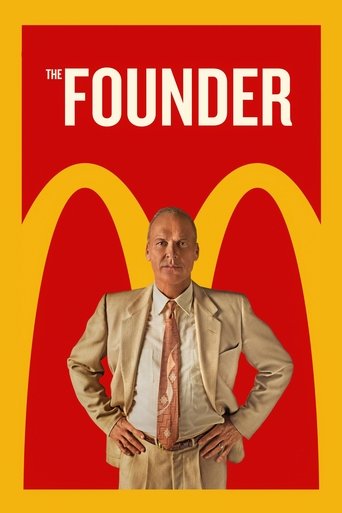 27.2
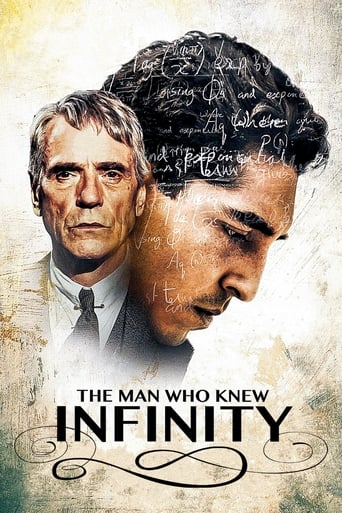 37.2
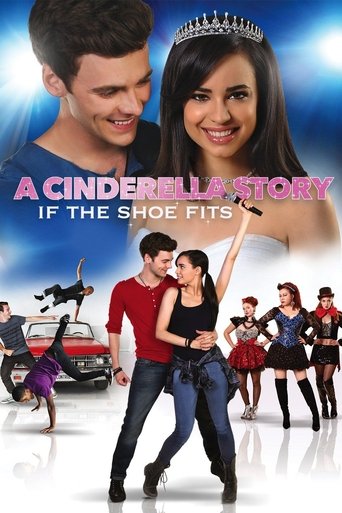 47.2
Best movies of 2015
Decade list »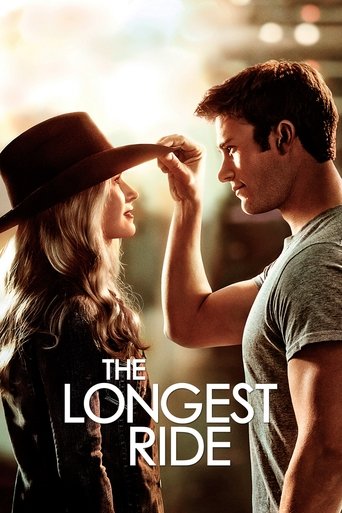 17.6
 27.5
 37.2
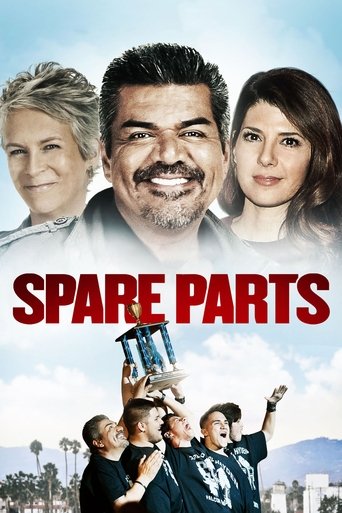 47.2
Best movies of 2014
Decade list » 17.5
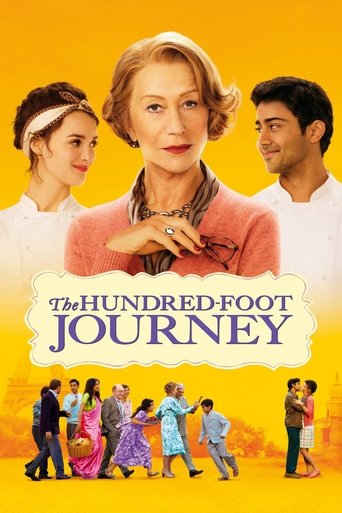 27.3
 37.1
 47.1
Best movies of 2013
Decade list » 17.7
 27.6
 37.1
 47.1
Best movies of 2012
Decade list » 17.0
 27.0
 36.6
 46.5
Best movies of 2011
Decade list » 17.3
 27.2
 36.9
 46.9
Best movies of 2010
Decade list »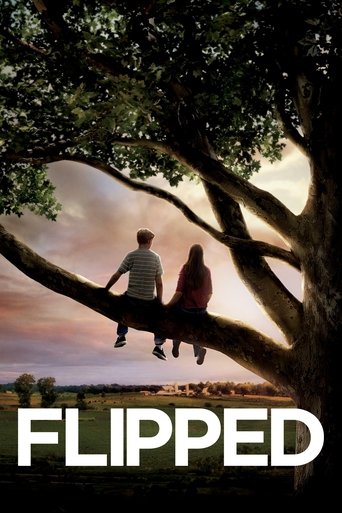 18.0
 27.9
 37.4
 47.0
Best movies of 2009
Decade list » 17.3
 27.2
 36.9
 46.9
Best movies of 2008
Decade list » 18.0
 27.3
 37.2
 47.1
Best movies of 2007
Decade list » 17.2
 26.8
 36.5
 46.5
Best movies of 2006
Decade list » 17.7
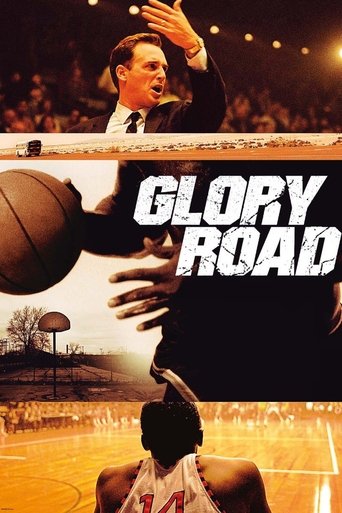 27.4
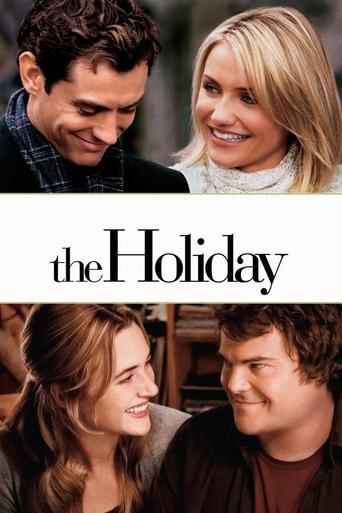 37.1
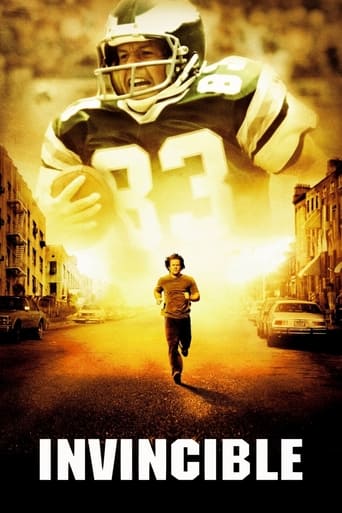 47.0
Best movies of 2005
Decade list »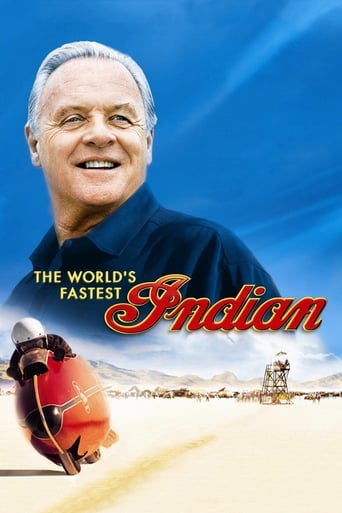 17.7
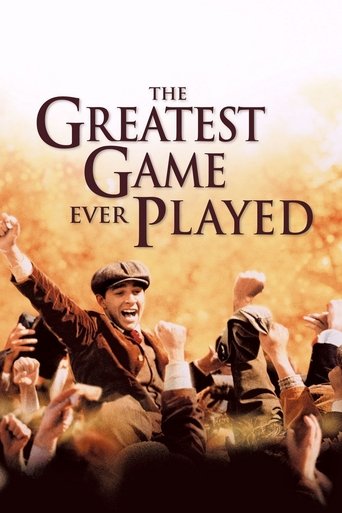 27.3
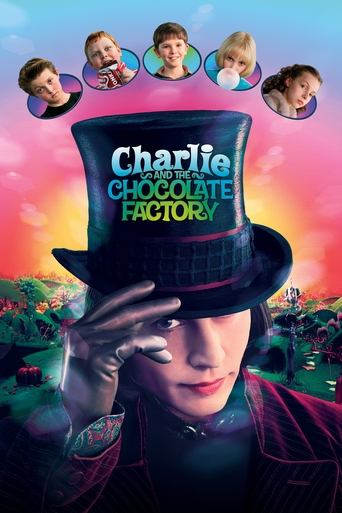 37.0
 46.8
Best movies of 2004
Decade list »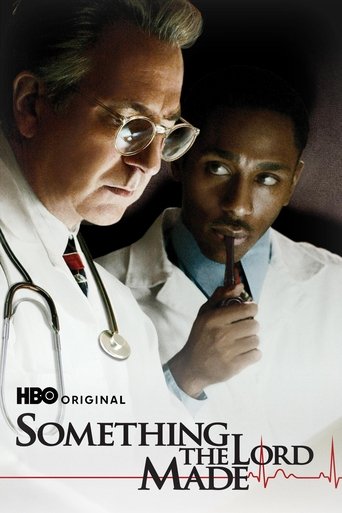 18.0
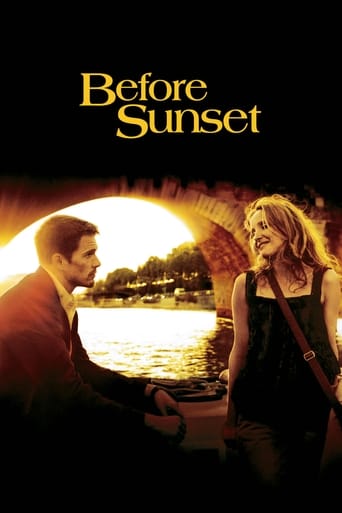 27.8
 37.5
 47.3
Best movies of 2003
Decade list »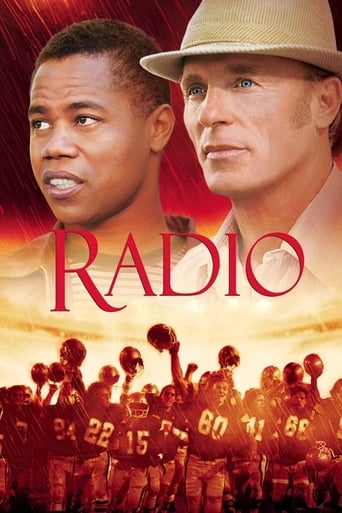 17.4
 27.2
 37.1
 46.7
Best movies of 2002
Decade list »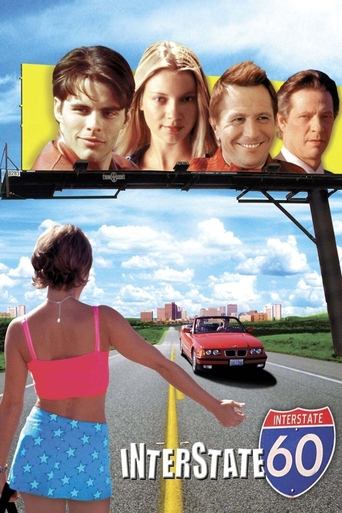 17.4
 27.0
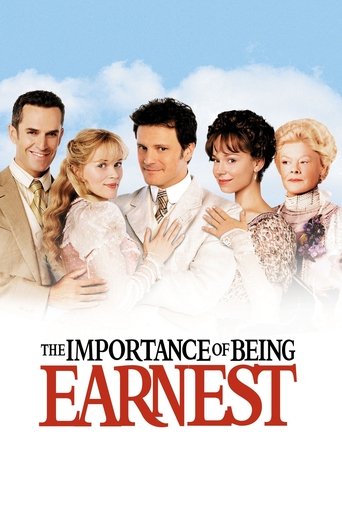 36.8
 46.8
Best movies of 2001
Decade list »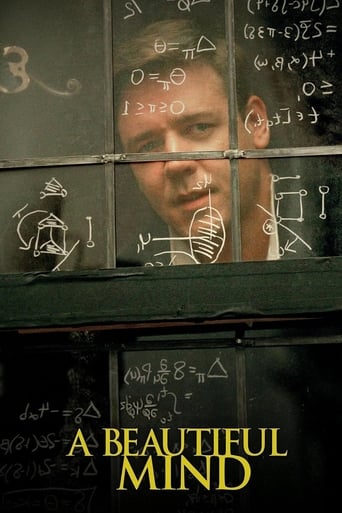 17.9
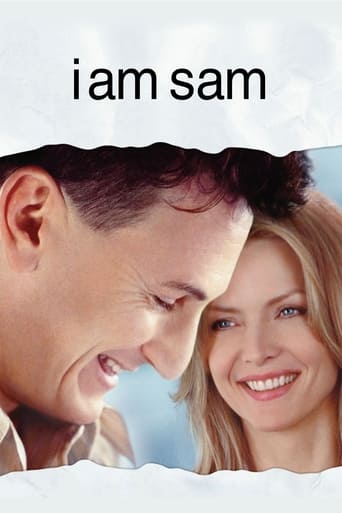 27.6
 37.0
 46.8
Best movies of 2000
Decade list »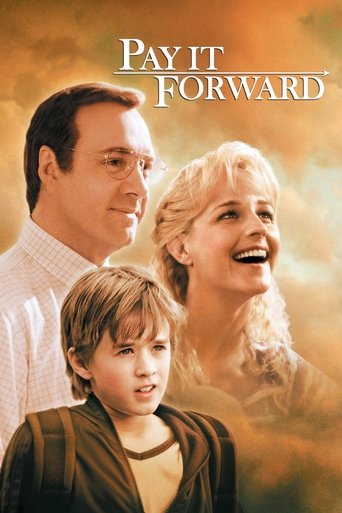 17.4
 26.9
 36.9
 46.8
Best movies of 1999
Decade list »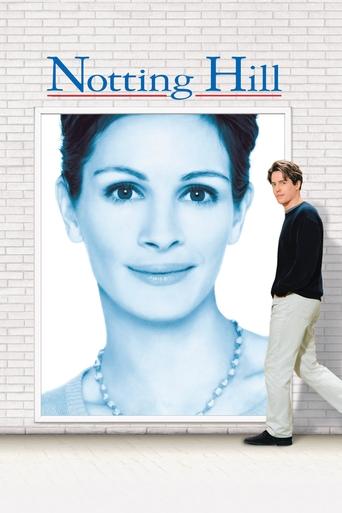 17.3
 26.7
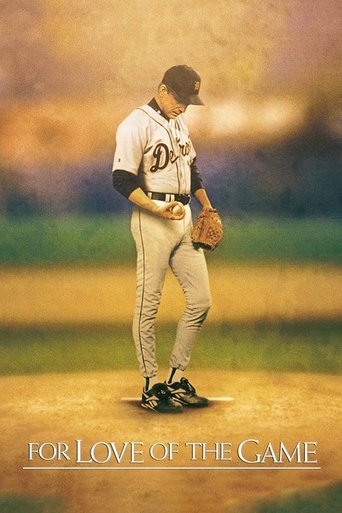 36.4
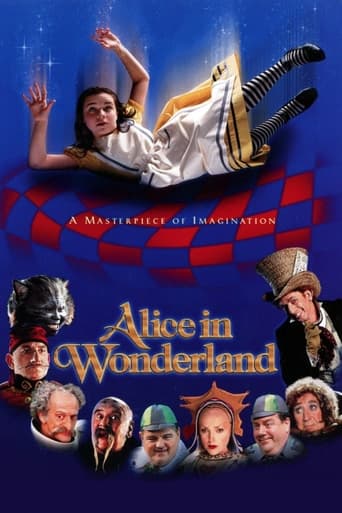 46.2
Best movies of 1998
Decade list »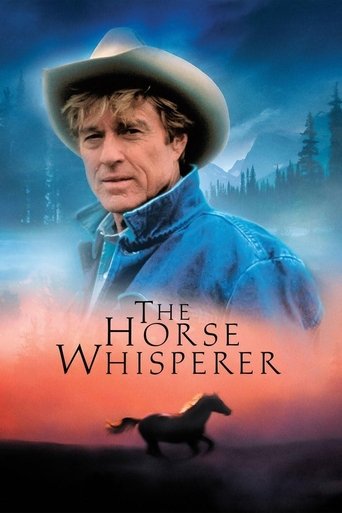 16.9
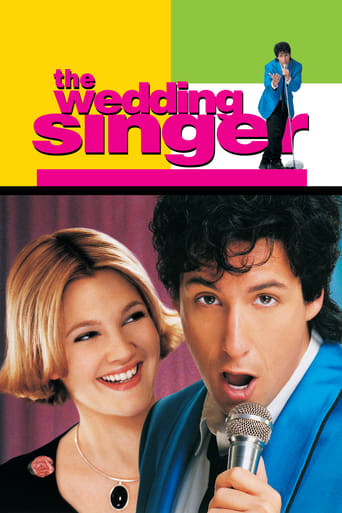 26.8
 36.7
 46.2
Best movies of 1997
Decade list »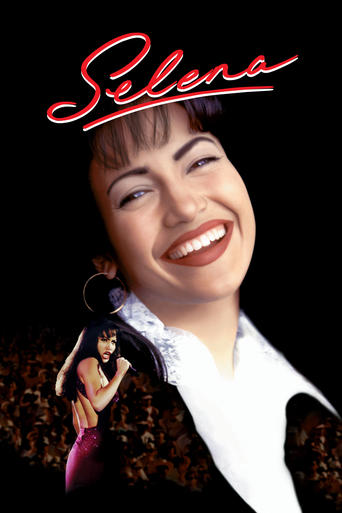 17.7
 26.7
 36.7
 46.6
Best movies of 1996
Decade list » 17.0
 27.0
 36.9
 46.6
Best movies of 1995
Decade list » 18.0
 27.2
 37.0
 47.0
Best movies of 1994
Decade list »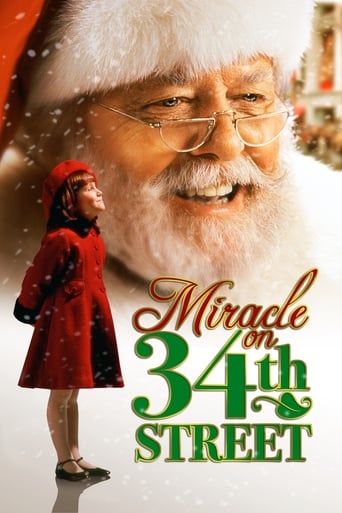 16.8
 26.7
 36.5
 46.1
Best movies of 1993
Decade list » 18.0
 27.6
 37.6
 47.4
Best movies of 1992
Decade list » 17.2
 26.8
 36.5
 45.8
Best movies of 1991
Decade list »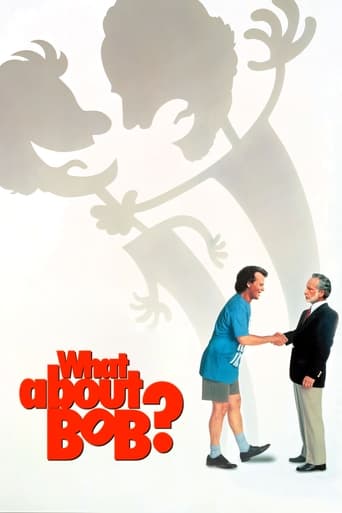 16.9
 26.6
 36.5
 46.5
Best movies of 1990
Decade list »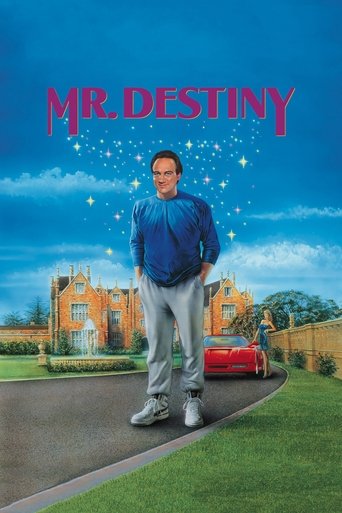 16.3
 26.1
 35.8
Best movies of 1989
Decade list » 17.2
 27.2
 37.0
 46.8
Best movies of 1988
Decade list »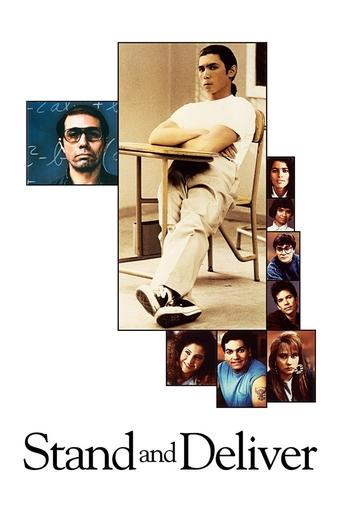 17.8
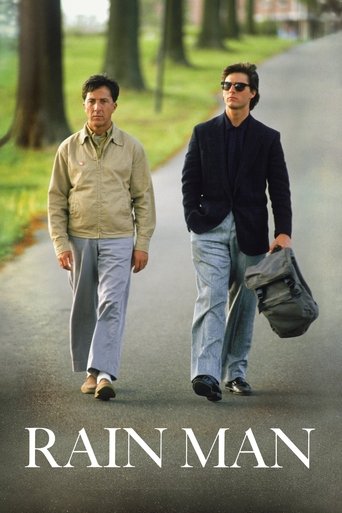 27.7
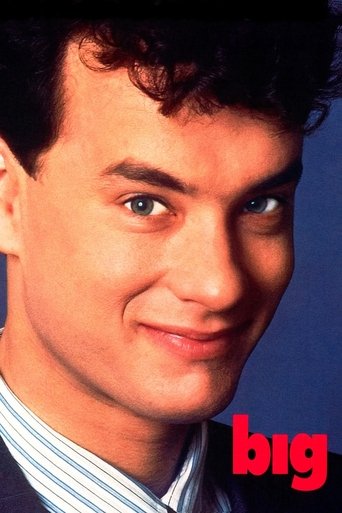 37.2
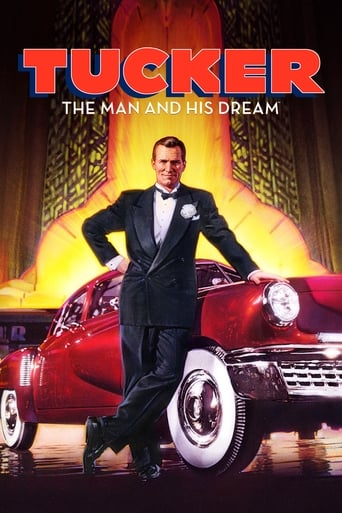 46.7
Best movies of 1987
Decade list » 17.2
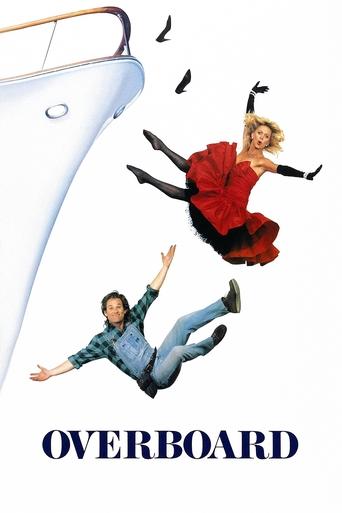 26.9
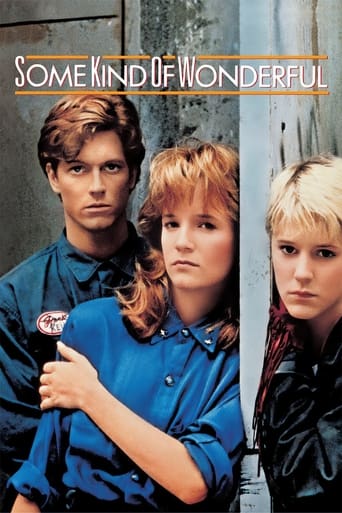 36.9
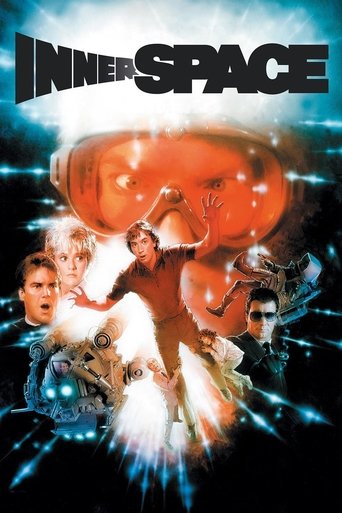 46.8
Best movies of 1986
Decade list »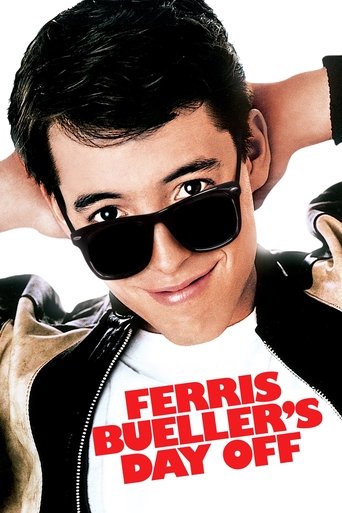 17.6
 26.7
 36.7
 46.3
Best movies of 1985
Decade list »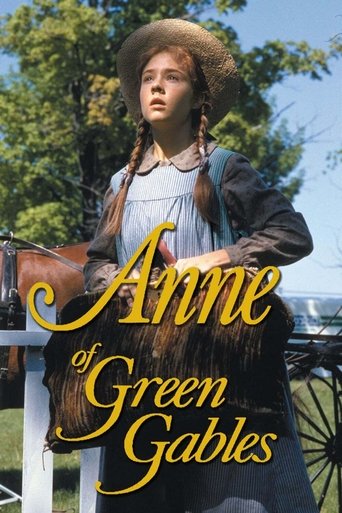 18.1
 27.7
 36.7
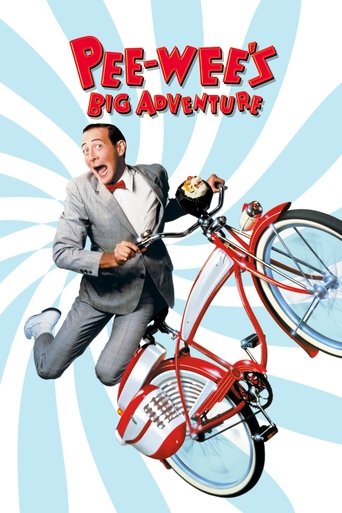 46.5
More lists
Best of each year 41Top rated movies 44Best comedy movies 77Best drama movies 109Best romantic movies 59Best family movies 44Best adventure movies 40Best music movies 13Best true stories 41
The BestHDMovies guide
BestHDMovies: the best four movies of every year from 1985 to 2025, from Anne of Green Gables and Jurassic Park to A Beautiful Mind, Wonder and CODA
BestHDMovies is a guide built on a single question, asked forty-one times: what were the best films of the year? For every year from 1985 to 2025 it lists the four films with the highest audience scores and places them first, second, third and fourth. That makes 163 movies, since one year has three, and each has a page with its cast, a summary and a Watch now button. Together they run to about 298 hours, and their average score is 7.2 out of ten.
A year is the fairest field for a contest between films. A comedy of 1986 and a drama of 2021 were made for different audiences with different tools, and a single all-time list sets them against each other to little purpose. Within one year the competitors shared the same cinemas, the same fashions and the same rivals for attention, and the order in which audiences have since ranked them says something real.
All the films were screened by hand for a family audience before the places were decided, which shapes the result. The crime epics and war films that often top critics' polls belong to other guides. What remains is a record of the films that households have loved most, year by year, and it turns out to be rich in true stories, comedies, family films and romances.
This guide explains the page and the rule, walks through the years by decade, and then looks at what the winners have in common. The short version is on How to watch with BestHDMovies.
How BestHDMovies works
The page is light grey with white panels, a charcoal header and green as its one colour. The header carries the green star logo, a search box and the My Best button. Under it runs a white menu in which every entry has its own coloured top edge: Home, Best of each year, 2020s, 2010s, 2000s, 1990s, 1985-89 and A-Z.
The home page opens with the name of the guide and a strip headed Latest winners, which names the first-placed film of each of the six most recent years. Then come forty-one panels, one for every year, the newest at the top. Each is headed Best movies of, followed by the year, and shows four posters in order of place. A square mark in the corner of each poster gives the place, crimson for first, green for second, orange for third and brown for fourth, and a small dark tag gives the score. Under the poster are the title, the year and the running time.
A movie page gives the title, tags for the year, the running time and the genres, the summary, the Watch now button and the list button. A panel beside them has a selector with fifteen countries; choose one, press the button, and JustWatch lists the subscription, rental, purchase and free services that carry the film there. A table of facts with the score and the number of ratings, the cast and the director complete the page. Finding a movie covers the search box and the lists.
How the places are decided
The rule is short. A film enters the contest for the year of its release if it passed the family screening and has been rated by at least two hundred viewers on TMDB. The four with the highest average scores take the places. Where two films have the same score to one decimal place, the one with more ratings goes ahead, on the reasoning that a score held against a larger crowd is the more firmly earned.
Two hundred ratings is a low bar for a cinema release and a high one for a film made for television, and the mixture it produces is one of the pleasures of the guide. Famous films sit beside titles that many readers will be meeting for the first time, and some of the highest scores of all belong to television films that were watched by a devoted audience and rated accordingly. The scores are refreshed when the catalogue is rebuilt, and a place can change hands when they are. How the places are decided states the rule in brief.
1985 to 1989
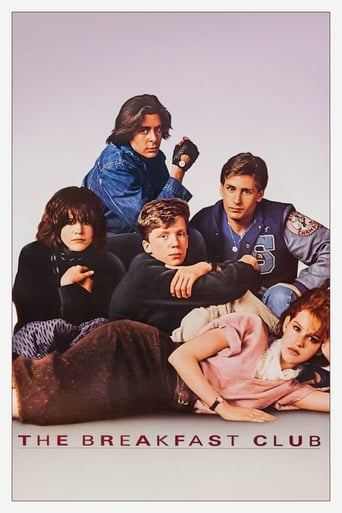
The guide begins in 1985 with a Canadian television film at the head of its year. Anne of Green Gables, with Megan Follows as the red-haired orphan who arrives at a farm on Prince Edward Island, holds 8.1 and has been loved by every generation since. Second is The Breakfast Club, in which five pupils spend a Saturday in a school library, at 7.7. Return to Oz and Pee-wee's Big Adventure, the first feature directed by Tim Burton, take third and fourth.
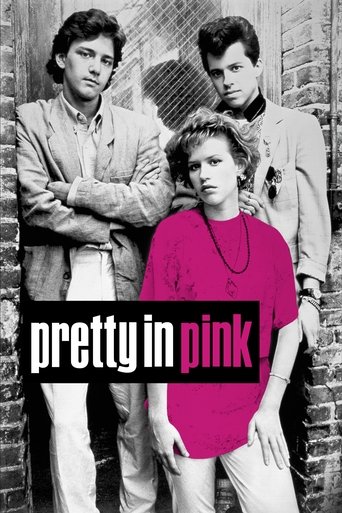
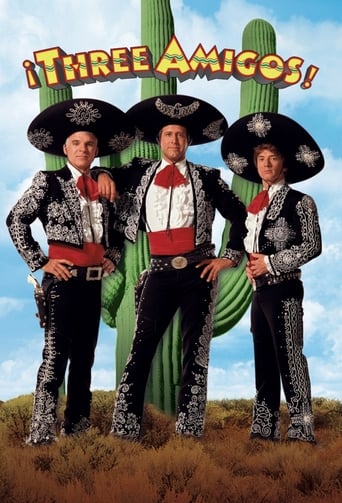
In 1986 the winner is Ferris Bueller's Day Off, the best day of truancy ever filmed, at 7.6. Two films share 6.7 behind it, Pretty in Pink and Lucas, and ¡Three Amigos! is fourth. In 1987 first place goes to 84 Charing Cross Road, the true story of a New York writer and a London bookseller who become friends across twenty years of letters. Overboard, Some Kind of Wonderful and Innerspace follow within a tenth of one another.
1988 is the strongest year of the five. Stand and Deliver wins it at 7.8: the story of a mathematics teacher in East Los Angeles whose pupils passed an advanced calculus examination in such numbers that they were accused of cheating. Rain Man, which won the Academy Award for best picture, is second at 7.7. Big is third, and Tucker: The Man and His Dream, Francis Ford Coppola's portrait of a visionary car maker, fourth.
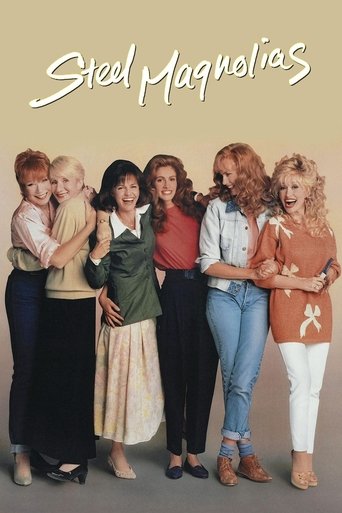
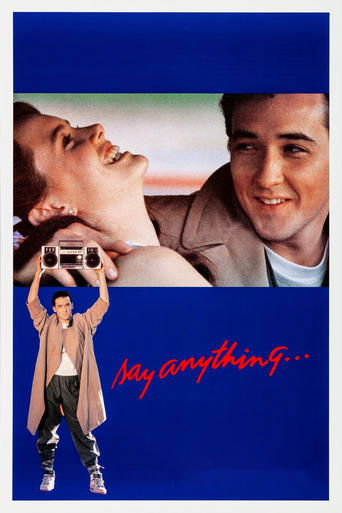
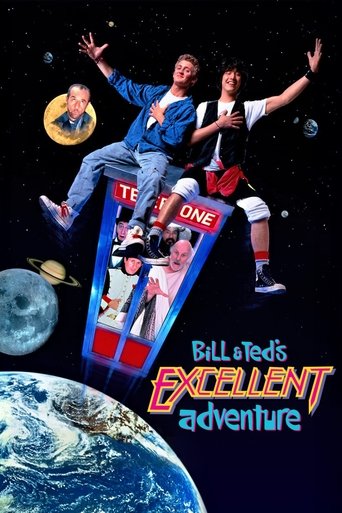
1989 ends in a tie at 7.2, settled by the count of ratings in favour of National Lampoon's Christmas Vacation over Steel Magnolias. Say Anything..., with its raised cassette player, is third at 7.0, and Bill & Ted's Excellent Adventure fourth. The 1985 to 1989 guide lists the twenty.
1990 to 1994
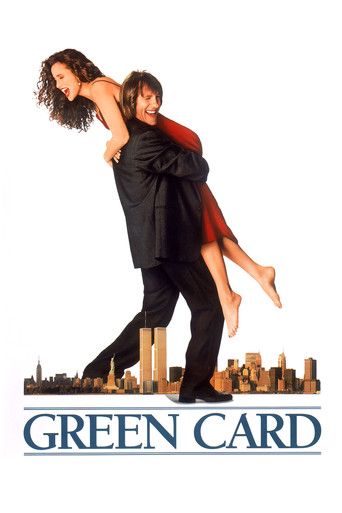
1990 is the leanest year in the guide, with three films and the lowest winning score. Mr. Destiny takes first at 6.3: a man who believes his life went wrong when he missed a swing in a school baseball game is shown how it would have gone had he hit the ball. Green Card, in which a Frenchman and a New Yorker marry for convenience and are obliged to convince the authorities, is second, and 3 Men and a Little Lady third.
In 1991 What About Bob? wins: Bill Murray as the patient who follows his psychiatrist on holiday and charms the whole family. Little Man Tate, directed by Jodie Foster, about a boy of seven with an extraordinary mind, is second, and Father of the Bride and City Slickers tie behind it.
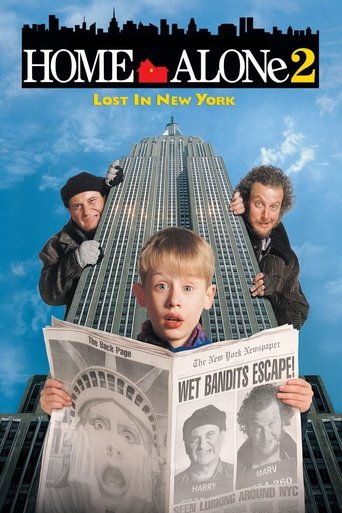
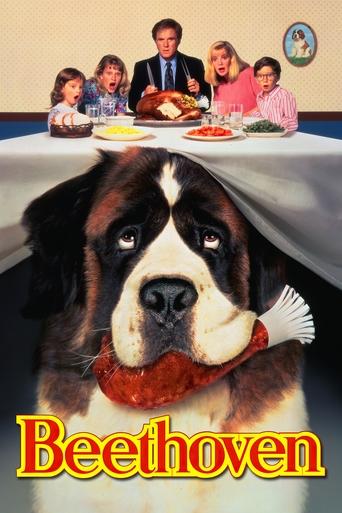
1992 goes to Noises Off..., a farce about a theatre company performing a farce, seen first from the front and then from behind the scenery as everything falls apart. Home Alone 2: Lost in New York, Forever Young and Beethoven follow.
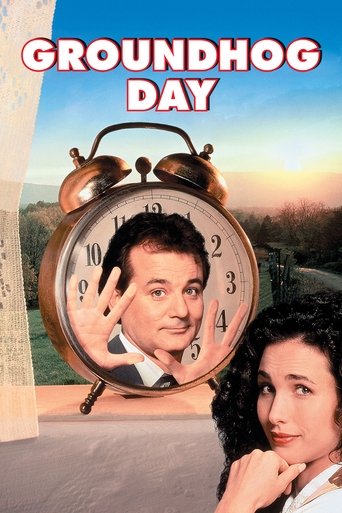
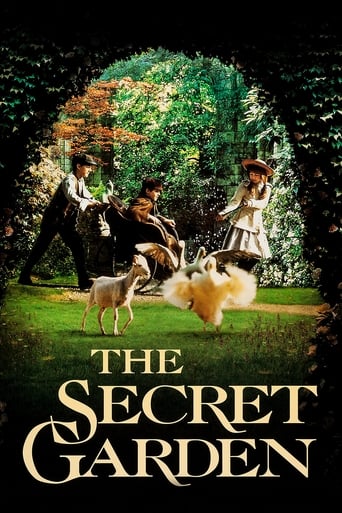
1993 is the best year of the decade. Jurassic Park is first at 8.0, with by far the largest audience of any film in the guide. Two films share 7.6 behind it, Groundhog Day and The Sandlot, and The Secret Garden, Agnieszka Holland's film of the children's classic, is fourth at 7.4. Any of the four would have won in most other years.
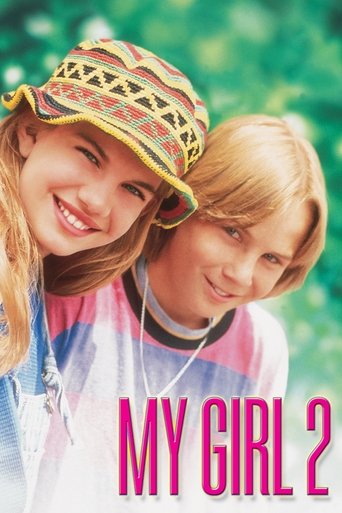
1994 is closer. Miracle on 34th Street, the remake with Richard Attenborough as a department-store Santa Claus who says he is the real one, wins at 6.8, a tenth ahead of Black Beauty. Little Giants, about a children's football team for everyone the main team turned away, and My Girl 2 complete the year.
1995 to 1999
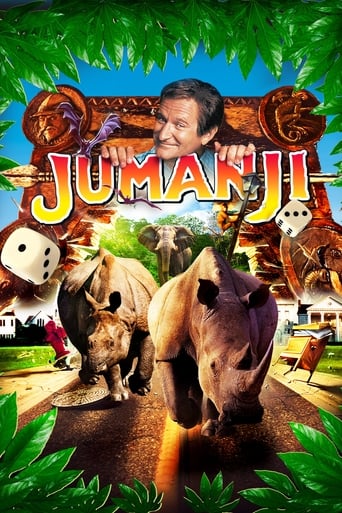
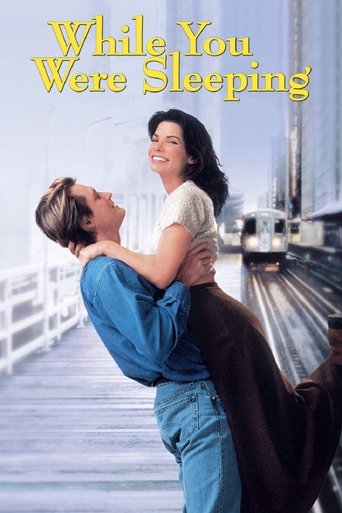
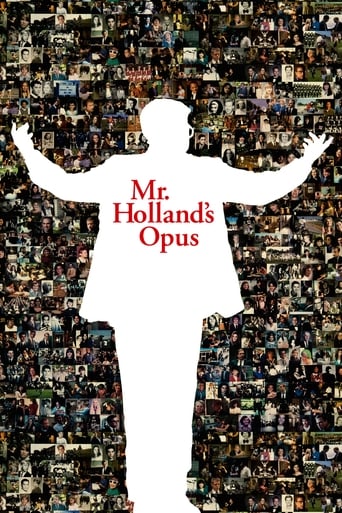
1995 belongs to Before Sunrise, at 8.0. An American and a French student meet on a train, get off together in Vienna and talk until morning; it is among the most admired romances ever made. Jumanji is second at 7.2, and two films tie at 7.0 for the last places, While You Were Sleeping and Mr. Holland's Opus, in which a composer takes a school teaching post for a year or two and stays for thirty.
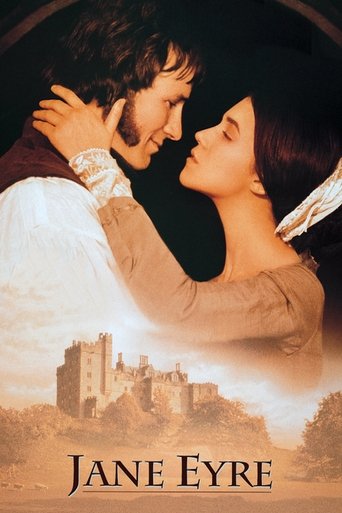
In 1996 two films tie at the top on 7.0. Brassed Off, about a colliery brass band in Yorkshire playing on as its pit is closed, takes first on the count of ratings, and Big Night, about two Italian brothers staking their restaurant on one magnificent dinner, second. Franco Zeffirelli's Jane Eyre and Homeward Bound II: Lost in San Francisco follow.
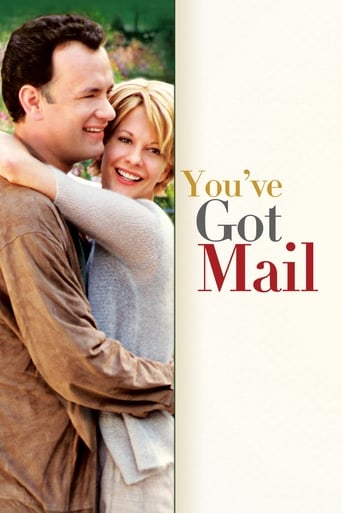
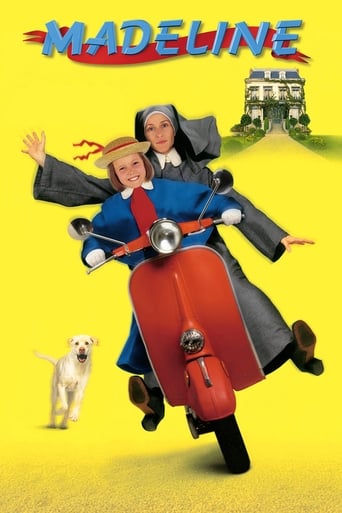
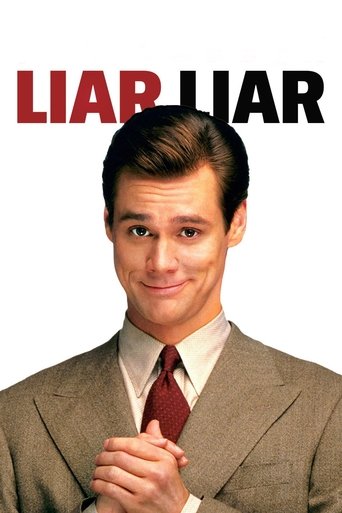
1997 has a clear winner in Selena, at 7.7, with Jennifer Lopez as the Tejano singer. Liar Liar and The Beautician and the Beast share 6.7, and My Best Friend's Wedding is a tenth behind. In 1998 the four finish within seven tenths: The Horse Whisperer, Robert Redford's film about a girl, a horse and a Montana ranch, at 6.9, then The Wedding Singer, You've Got Mail and Madeline.
1999 goes to Notting Hill at 7.3. Music of the Heart, with Meryl Streep as a violin teacher in East Harlem, is second, For Love of the Game third, and a television Alice in Wonderland with a starry cast fourth. The 1990s guide sorts the thirty-nine.
2000 to 2004
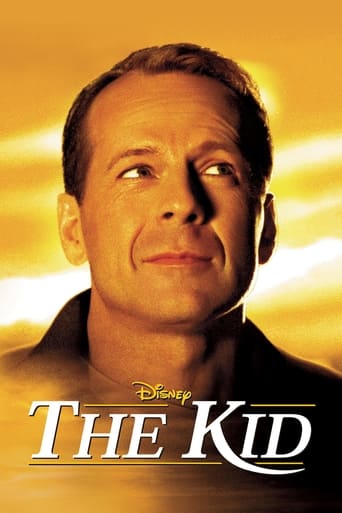
The new century opens with Pay It Forward at 7.4: a schoolboy's idea that a good turn should be repaid by three more to other people. Two films share 6.9 behind it. Best in Show is Christopher Guest's improvised comedy about the owners at a championship dog show, and Center Stage follows a class of young dancers through a New York ballet academy. The Kid is fourth.
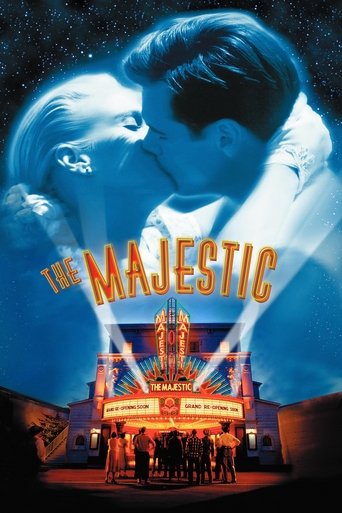
2001 is won by A Beautiful Mind at 7.9, the story of the mathematician John Nash, which also won the Academy Award for best picture. I Am Sam is second at 7.6, Serendipity third, and The Majestic, in which a Hollywood writer with amnesia is taken for a small town's lost son, fourth.
In 2002 the winner is a film that few people saw in cinemas, Interstate 60, a road fable about a highway that appears on other people's maps only as a rumour, at 7.4. Drumline, set in the marching band of a Southern university, is second at 7.0, and two literary adaptations tie at 6.8, The Importance of Being Earnest and Nicholas Nickleby.
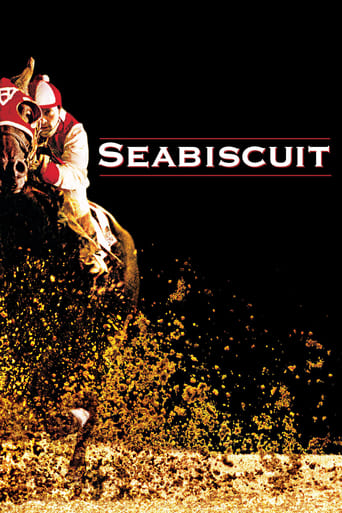
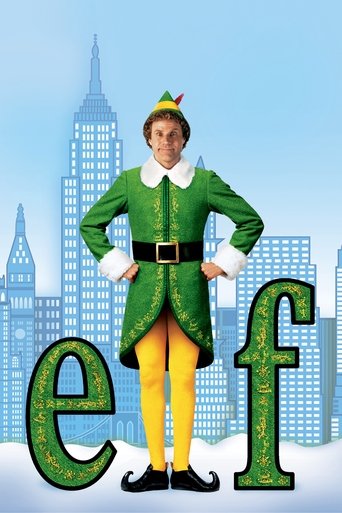
2003 has Radio first at 7.4, the true story of a high-school football coach and the young man with a learning disability whom he takes under his wing. Secondhand Lions, in which a boy is left with two great-uncles whose tales of adventure may even be true, is second, Seabiscuit third and Elf fourth.
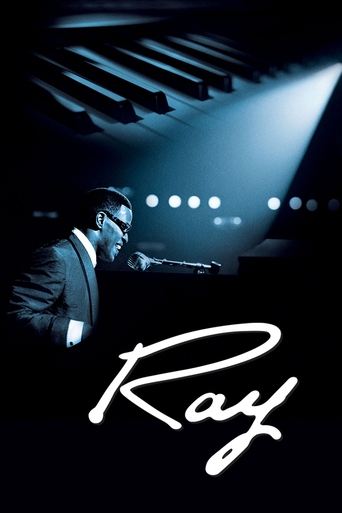
2004 is one of the strongest years in the guide. Something the Lord Made, a television film about the Black laboratory technician Vivien Thomas and the surgeon with whom he pioneered heart operations on infants, wins at 8.0. Before Sunset, the sequel to the winner of 1995, is second at 7.8, Ray third at 7.5, and Chestnut: Hero of Central Park, about two sisters hiding a very large puppy, fourth.
2005 to 2009
2005 is won by The World's Fastest Indian at 7.7. Anthony Hopkins plays Burt Munro, the New Zealander in his sixties who took a motorcycle he had tuned in his shed to the salt flats of Utah and set a record that stands to this day. The Greatest Game Ever Played, about the amateur who won the United States Open golf championship in 1913, is second at 7.3, Charlie and the Chocolate Factory third, and The Wedding Date fourth.
In 2006 Little Miss Sunshine takes first at 7.7. Two sporting true stories follow: Glory Road, on the college basketball team that started five Black players in a national final in 1966, and Invincible, on a bartender who won a place with a professional football team at an open trial. The Holiday sits between them in third.
2007 is the year of Jane Austen on television: Persuasion wins at 7.2 and Northanger Abbey is second at 6.8. High School Musical 2 and The Game Plan share 6.5 for the remaining places.
2008 has another television winner, Front of the Class, at 8.0: the true story of a man with Tourette syndrome who was turned down by twenty-four schools before one gave him a classroom. Another Cinderella Story is second, Marley & Me third and The Express fourth.
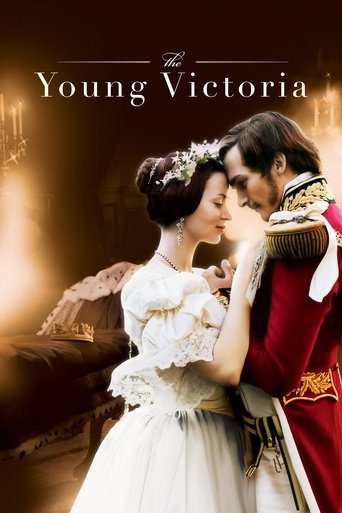
2009 goes to The Perfect Game at 7.3, about the boys from Monterrey in Mexico who in 1957 became the first team from outside the United States to win the Little League World Series. The Young Victoria is second at 7.2, and Up in the Air and the British comedy Frequently Asked Questions About Time Travel tie at 6.9. The 2000s guide sorts the forty.
2010 to 2014
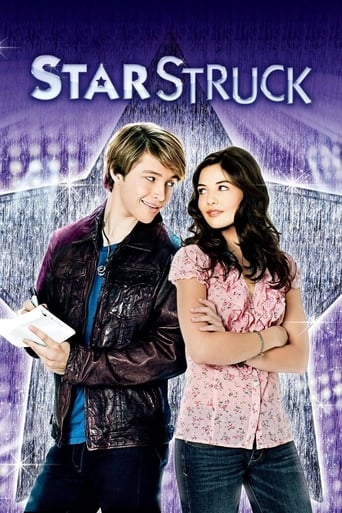
2010 is a year of high scores. Flipped wins at 8.0, a first love told from both sides of a suburban street, and Temple Grandin, the television biography of the scientist with autism who transformed the handling of livestock, is second at 7.9. The Social Network is third at 7.4 and Starstruck fourth.
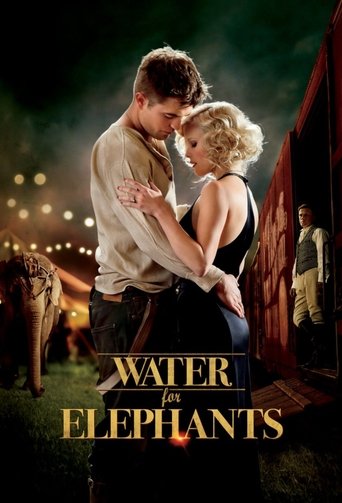
In 2011 Moneyball is first at 7.3, a tenth ahead of A Better Life, in which a gardener in Los Angeles and his teenage son search the city for a stolen truck. Water for Elephants and Dolphin Tale tie at 6.9. In 2012 two films tie at the top on 7.0: Trouble with the Curve takes first on ratings and The Odd Life of Timothy Green second, with My Fake Fiance and Liberal Arts behind.
2013 is won by a film about television itself. An Adventure in Space and Time, at 7.7, tells how a small team at the BBC in 1963 created a science fiction serial that is still running. The Hobbit: The Desolation of Smaug is second at 7.6, and The Way Way Back and Remember Sunday tie at 7.1.
2014 goes to The Best of Me at 7.5. The Hundred-Foot Journey is second at 7.3, and third and fourth are shared at 7.1 by two of the most likeable films of the decade, Paddington and Chef.
2015 to 2019
2015 is led by The Longest Ride at 7.6 and McFarland, USA at 7.5, the second being the true story of a cross-country running team in a farming town in California. Full Out, about a gymnast who returns to her sport by way of hip-hop dance after a car accident, and Spare Parts, about four students who built an underwater robot, tie at 7.2.
In 2016 Sing Street wins at 7.9: Dublin in 1985, a schoolboy, a band and a girl. Three films tie at 7.2 behind it, The Founder, The Man Who Knew Infinity and A Cinderella Story: If the Shoe Fits, and are placed in that order by their ratings.
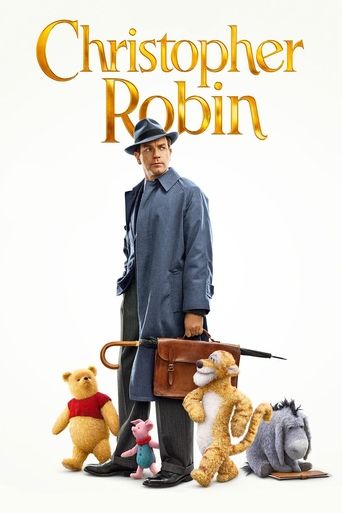
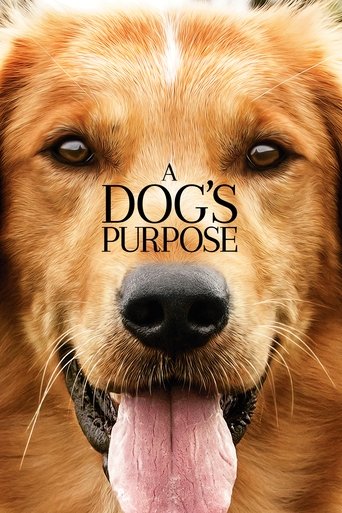
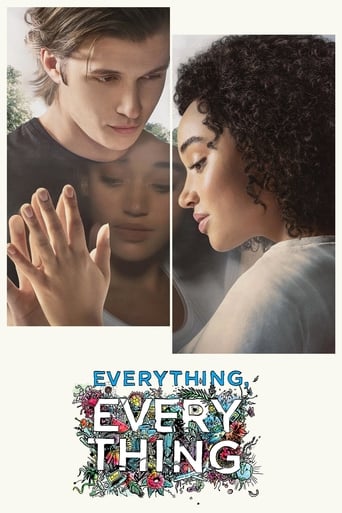
2017 belongs to Wonder at 8.1, the story of a boy with a facial difference in his first year at school. A Dog's Purpose is second at 7.6, Everything, Everything third and Goodbye Christopher Robin fourth. In 2018 To All the Boys I've Loved Before wins at 7.6; Then Came You and Clara, a quiet film about an astronomer searching for distant planets, tie at 7.4, and Christopher Robin is fourth.
2019 has the closest finish in the guide. Togo and The Art of Racing in the Rain both hold 8.1, and The Peanut Butter Falcon and A Dog's Way Home both hold 7.4. Three of the four are about dogs, and the first place goes to the sled dog on the count of ratings. The 2010s guide sorts the forty.
2020 to 2025
2020 is won by Words on Bathroom Walls at 7.8, about a schoolboy who loves cooking and is learning to live with a serious illness. Safety, the true story of a university football player who cared for his younger brother in secret in his hall of residence, is second at 7.5. Stargirl and The One and Only Ivan follow.
2021 is the strongest year of the decade so far, with all four films at 7.5 or more. CODA wins at 7.9: the hearing daughter of a deaf fishing family finds that she can sing, and the film went on to win the Academy Award for best picture. King Richard and tick, tick... BOOM! share 7.6, and To All the Boys: Always and Forever is fourth.
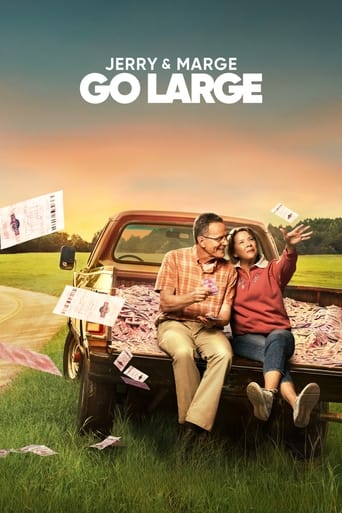
In 2022 two films tie at 7.5, About Fate, a comedy of mistaken addresses on New Year's Eve, and Rescued by Ruby, about a shelter dog who joins a police search team. Elvis and Jerry & Marge Go Large, in which a retired couple find a flaw in a state lottery and share the winnings with their town, tie at 7.4.
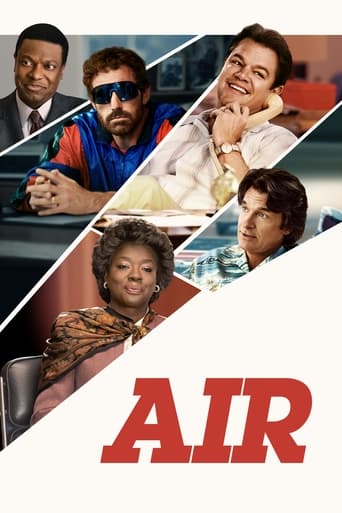
2023 goes to Flamin' Hot at 8.0, the story of a factory janitor who pitched a new flavour of snack to his company's chairman. A Million Miles Away, on the farm worker's son who became an astronaut, is second at 7.6. Air is third and Love at First Sight fourth.
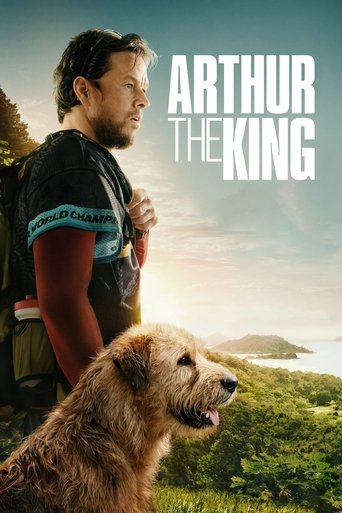
2024 is won by Young Woman and the Sea at 7.8, about Gertrude Ederle, the first woman to swim the English Channel. Arthur the King, in which a stray dog attaches itself to an adventure racing team, is second, and two films tie at 7.3: Hundreds of Beavers, a black-and-white slapstick comedy made in the snow for very little, and Winter Spring Summer or Fall.
2025, the latest full year, is led by F1 at 7.8, with The Life List, Good Fortune and Freakier Friday behind it. The figures for the newest years are the least settled and may change as more viewers rate the films. The 2020s guide sorts the twenty-four.
What the forty-one winners have in common
Set in a row on the Best of each year list, the first-placed films make an instructive company. Fourteen of the forty-one are drawn from real lives, a full third, and many of the rest are intimate stories on a small scale. Audiences, asked years later what they valued most, reward the film that moved them over the film that merely impressed them.
Teachers and pupils recur: Stand and Deliver, Front of the Class, Wonder, Words on Bathroom Walls, CODA. So do people who do one remarkable thing against expectation: the motorcyclist of The World's Fastest Indian, the swimmer of Young Woman and the Sea, the janitor of Flamin' Hot, the boys of The Perfect Game. Seventeen of the forty-one carry a romance tag, from Before Sunrise and Notting Hill to Flipped and To All the Boys I've Loved Before.
Eight winners were first seen on television or on a streaming service, among them five of the nine winners at 8.0 or more. The highest winning scores are 8.1, for Anne of Green Gables, Wonder and Togo; the lowest is the 6.3 of Mr. Destiny. The average winning score is a little over 7.5. The best of each year page lists all forty-one.
The films that came second
A contest by year is hard on films that happened to open beside a giant, and the second places hold some of the best titles in the guide. The Breakfast Club and Rain Man both score 7.7 and both stand second in their years. Temple Grandin, at 7.9, would have won twenty-nine of the forty-one years and came second in 2010. Before Sunset, at 7.8, met a television film at 8.0. The Art of Racing in the Rain lost 2019 on the count of ratings alone.
The reverse also happens. Mr. Destiny in 1990, Miracle on 34th Street in 1994 and The Horse Whisperer in 1998 all won with scores under 7.0, in years when the family-screened field was thin. A first place means the best of its year under the guide's rule, and the score beside it says how strong that year was. Reading the two together is the way to use the page.
Third and fourth places are often where the most familiar titles sit. Big, Groundhog Day, Elf, Paddington, Chef, The Social Network and Notting Hill's rival For Love of the Game are all there, a reminder that the films people quote most are frequently just behind the films they rate most highly.
Top rated across all years
The Top rated list sets the years aside and gathers the forty-four films with a score of 7.5 or more. Four share the highest figure, 8.1: Anne of Green Gables, Wonder, Togo and The Art of Racing in the Rain. Six stand at 8.0: Jurassic Park, Before Sunrise, Something the Lord Made, Front of the Class, Flipped and Flamin' Hot.
At 7.9 are A Beautiful Mind, Temple Grandin, Sing Street and CODA, and at 7.8 Stand and Deliver, Before Sunset, Words on Bathroom Walls, Young Woman and the Sea and F1. The list is weighted towards recent years, twenty-one of its films dating from 2015 or later, partly because newer films are rated by keener audiences and partly because streaming has brought a great many small, well-made dramas to viewers who would once have missed them. The top rated page explains the rule.
True stories
Forty-one of the 163 films are based on real people and events, exactly a quarter, and they are the backbone of the guide. Sport supplies the largest group: Seabiscuit, The Greatest Game Ever Played, Glory Road, Invincible, The Express, The Perfect Game, Moneyball, McFarland, USA, Safety, King Richard and Young Woman and the Sea, eleven films across two decades.
Science, medicine and invention supply another: A Beautiful Mind, Something the Lord Made, Temple Grandin, The Man Who Knew Infinity, Spare Parts, A Million Miles Away, Tucker: The Man and His Dream, The Founder, The Social Network, Air and Flamin' Hot. Music has Selena, Ray, Elvis, Music of the Heart and tick, tick... BOOM!, and the animal stories Togo, Dolphin Tale, Rescued by Ruby, Arthur the King and The One and Only Ivan are all taken from life.
What unites them is a shape that audiences return to gladly: a person of modest standing, an obstacle that seems fixed, years of effort and a day of vindication. The scores suggest that it works best when the stakes are personal. A classroom in East Los Angeles or a laboratory in Baltimore has moved more viewers than many a battlefield. The true stories guide sorts the forty-one.
Comedy, family and music
Seventy-seven of the films are comedies, and the list shows how tastes in laughter have moved. The winners of the 1980s and early 1990s are comedies of invention, Ferris Bueller's Day Off, What About Bob? and Noises Off.... By the 2000s the comedies that place highest are gentler and more observant, such as Best in Show, Little Miss Sunshine and Secondhand Lions, and by the 2010s they are often half dramas, as The Way Way Back, Chef and The Peanut Butter Falcon are. The comedy guide sorts the list.
Forty-four films are marked for family viewing. Books for children supply The Secret Garden, Black Beauty, Madeline, Charlie and the Chocolate Factory, Paddington and Stargirl. Dogs supply Beethoven, Marley & Me, A Dog's Purpose, A Dog's Way Home, Togo, Rescued by Ruby, Arthur the King and Chestnut: Hero of Central Park, eight films, which is as clear a statement of audience affection as the guide contains. The family guide sorts the list.
Thirteen films are about music. Three are winners of their years, Selena, Sing Street and CODA. Two are about teachers, Mr. Holland's Opus and Music of the Heart; Drumline is about a marching band and Center Stage about a ballet school; and Ray, Elvis and tick, tick... BOOM! are lives of musicians. The music guide lists the thirteen.
Strong years and lean years
The scores beside the place marks make it easy to compare years. By the sum of their four scores the strongest is 2019, with its two films at 8.1. Three years stand level just behind it: 2021, with CODA, King Richard, tick, tick... BOOM! and To All the Boys: Always and Forever; 1993, with Jurassic Park, Groundhog Day, The Sandlot and The Secret Garden; and 2004. 2010 is close behind them.
The leanest are 1990, 1994 and 1992. That does less to describe the cinema of those years than to describe the rule: the early 1990s were rich in thrillers and adult dramas that fall outside a family guide, and their gentler films have been rated by fewer people. As more viewers discover them, their figures may rise.
The general drift is upward. The average winning score in the five years from 1990 was 7.0; in the five years from 2017 it was 7.9. Part of that is real, a growth in well-made films for general audiences, and part is the generosity of recent ratings, which a reader should allow for when comparing a film of 1992 with one of 2022.
Ways to use the years
The simplest use of the guide is the birthday game. Look up the year someone in the household was born, or married, or left school, and watch what audiences now consider the best film of that year. With forty-one years to choose from, most families can supply several dates, and the films make good presents of an evening.
A second use is to watch a decade's winners in order. The ten first places of the 2000s, from Pay It Forward to The Perfect Game, take about nineteen hours and show a decade's preoccupations better than any summary. A third is to watch one year complete: all four films of 1993, or of 2021, over a long weekend.
And a fourth is to settle arguments. Everyone has a view about whether Big is better than Rain Man, or Elf than Seabiscuit. The guide records how a large number of viewers have voted, and leaves the last word to the household.
Names that return
Forty-one separate contests ought to produce forty-one unrelated sets of films, yet certain names keep coming back, and the search box will gather them. Richard Linklater directed the winner of 1995 and the runner-up of 2004, Before Sunrise and Before Sunset, with the same two actors nine years older. John Hughes directed the second film of 1985 and the first of 1986, and wrote the second film of 1986 and the third of 1987. Jon Favreau directed Elf in 2003 and Chef in 2014, both placed fourth and both now far better known than the films above them.
Tom Hanks appears in three years, with Big, You've Got Mail and Elvis. Kevin Costner has three, all on sporting themes: For Love of the Game, McFarland, USA and the voice of the dog in The Art of Racing in the Rain. Julia Roberts has Steel Magnolias, My Best Friend's Wedding, Notting Hill and Wonder, four films across twenty-eight years, and Jamie Lee Curtis has Forever Young, My Girl 2 and Freakier Friday, with thirty-three years between the first and the last.
Anthony Hopkins leads two films eighteen years apart, 84 Charing Cross Road and The World's Fastest Indian, both winners of their years and both about quiet, stubborn men. Bill Murray is in the winner of 1991 and the runner-up of 1993. Steve Martin and Martin Short share ¡Three Amigos! and Father of the Bride. Staying power of this kind is rare, and the year panels show it more plainly than any filmography.
Reading a year panel
Each panel on the home page is a small league table, and its four posters are meant to be read from left to right. The crimson square with the figure 1 marks the winner, and the dark tag at the foot of the poster gives the score. A reader can see at once how close the year was. In 2019 the first two tags both read 8.1; in 1997 the winner stands a full point clear; in 2016 three tags in a row read 7.2.
The link at the right of each panel opens the decade list, where the same films appear with their scores among the other years of their decade. The Best of each year list shows the forty-one winners alone, newest first, and is the quickest way to scan the whole span of the guide. On every list the year is printed under the poster with the running time.
Running times vary a good deal. The films average an hour and fifty minutes. The shortest are Before Sunset and Starstruck at eighty minutes and An Adventure in Space and Time at eighty-three; the longest is Anne of Green Gables at three hours and nineteen minutes, first shown in two parts, followed by The Horse Whisperer and The Hobbit: The Desolation of Smaug.
Films made for the small screen
A feature of the guide that surprises many visitors is how often a television film takes a place. Anne of Green Gables, Something the Lord Made, Persuasion, Northanger Abbey, Front of the Class, Temple Grandin, An Adventure in Space and Time and Full Out were all made for broadcast, and several of the recent places belong to films released straight to streaming services, among them Togo, Safety, Rescued by Ruby, Flamin' Hot and A Million Miles Away.
The reason lies in the kind of story such films tell. Broadcasters and streaming services have long favoured the true story of modest scale, the adaptation of a classic novel and the family drama, exactly the kinds that a family guide is looking for, at a time when cinemas turned increasingly to spectacle. These films reached their audiences at home, were watched with attention and are rated warmly. Their scores rest on fewer ratings than those of cinema releases, which the reader may bear in mind, yet anyone who has seen Temple Grandin or Something the Lord Made will understand the figures.
My Best
My Best is the list each visitor keeps. The list button beside Watch now on a movie page adds the film, and the green My Best button in the header opens the list from any page. The list is stored in the browser on the device in use, so it is ready from the first visit and works free of any sign-up form. The list page can save it as a file, which is the way to move it to another device.
The name is an invitation to disagree with the guide. A visitor's own best four of a year may share only one title with the panel, and the list is the place to keep the alternative verdict. The My Best page gives the steps.
Where the movies play
BestHDMovies is a guide, and the films themselves are held by the streaming services and digital stores. The Watch now button passes the title and the chosen country to JustWatch, which records each day what every service offers. The fifteen countries in the selector include the United States, the United Kingdom, Canada, Australia, Ireland, New Zealand, India, Pakistan and South Africa.
The well-known cinema releases are carried almost everywhere, on subscription and for rental. The films made for streaming stay with the services that produced them, and the older television films are the hardest to predict: some sit on the players of their original broadcasters, some are sold on disc and in digital stores, and some appear on free services supported by advertising. Availability differs between countries and changes with time, so the answer shown is always the one for today.
The decades in brief
Each of the five decade lists has a temper of its own, and a reader choosing where to begin may like a sketch of each. The five years from 1985 to 1989 are the age of the teenage comedy and the high-concept comedy: a day off school, a Saturday in detention, a boy made into a man, a heiress made into a housewife. Their best dramas, Stand and Deliver and Rain Man, both arrive in 1988.
The 1990s list is the most mixed. It has the one true blockbuster among the winners, Jurassic Park, and the quietest, Before Sunrise, two years apart. It is rich in romantic comedy, with While You Were Sleeping, My Best Friend's Wedding, The Wedding Singer, You've Got Mail and Notting Hill, and in adaptations of children's classics, with The Secret Garden, Black Beauty and Madeline.
The 2000s belong to the true story. Thirteen of the decade's forty films are drawn from life, and six of its ten winners. It is also the decade in which television films take the top place three times, in 2004, 2007 and 2008, and in which sport is filmed with most affection.
The 2010s have the highest scores, with three films at 8.1, and the widest range of scale, from The Hobbit: The Desolation of Smaug to Clara. Dogs take four places in the last three years of the decade. The 2020s, six years old, are dominated so far by stories of individual achievement, CODA, King Richard, Flamin' Hot, A Million Miles Away, Young Woman and the Sea, and by a lighter strand of streaming romance.
Places beyond Hollywood
Although every film in the guide is in English, a good number were made outside the United States, and they win more often than their numbers would suggest. Twenty films are British or partly British. Five of them are winners of their years: 84 Charing Cross Road, Brassed Off, Notting Hill, Persuasion and An Adventure in Space and Time. Sing Street, filmed in Dublin, is an Irish winner, Anne of Green Gables a Canadian one, and The World's Fastest Indian was made in New Zealand by a New Zealand director about a New Zealand hero.
British films are especially strong in the lower places of the 1990s and 2000s, where the literary adaptation was at its height: Jane Eyre, The Importance of Being Earnest, Nicholas Nickleby and Northanger Abbey all stand second, third or fourth in their years. Paddington in 2014, The Man Who Knew Infinity in 2016 and Goodbye Christopher Robin in 2017 carry the tradition on.
The lesson for a browser is simple. A place mark says how a film fared against its year, and the country, given in the table of facts on each movie page, often explains its flavour. A viewer who has enjoyed one of the British winners will find a dozen more of the same kind by typing the name of a familiar actor into the search box.
Where to start
For a reader who wants a short path through forty-one years, here are five films, one from each decade list, chosen from the winners. From 1985 to 1989, Stand and Deliver. From the 1990s, Before Sunrise. From the 2000s, Something the Lord Made. From the 2010s, Sing Street. From the 2020s, CODA. Three are true stories, two are romances, two are about music and four are about young people finding what they are good at, which is as fair a summary of the guide as five titles can give.
A household with children might take five others: The Secret Garden, The Sandlot, Secondhand Lions, Paddington and Wonder. And anyone who wants only to laugh has Ferris Bueller's Day Off, What About Bob?, Noises Off..., Best in Show and Hundreds of Beavers, five comedies in five different styles, the last of them made almost entirely by a handful of friends in the snow. The year panels are there for everything else: forty-one small verdicts, each of which can be tested in a single evening.
Whichever five are chosen, the decade menu at the top of every page keeps the rest within one click, and the coloured edge of each menu entry echoes the lively reference magazine this guide's look was taken from: a cheerful row of colours over a serious little archive of what people have loved.
Questions and answers
Questions
What is BestHDMovies?
BestHDMovies is a guide to the best movies of each year. It lists the four highest-scoring family-screened films of every year from 1985 to 2025, each with its cast, a summary and a Watch now button.
How are the four chosen?
By TMDB audience score among films of that year with at least 200 ratings. Equal scores are ordered by the number of ratings.
How many movies are listed?
There are 163: four for each of forty years and three for 1990.
Does BestHDMovies host the movies?
BestHDMovies is a guide only. Watch now opens JustWatch for the country you choose, which lists the subscription, rental, purchase and free services carrying the movie.
Which winners have the highest scores?
Anne of Green Gables in 1985, Wonder in 2017 and Togo in 2019, all at 8.1. Six more winners stand at 8.0.
Which year was the strongest?
By the sum of its four scores, 2019, followed closely by 2021, 2004 and 1993.
Are television films included?
Yes. A film made for television or for a streaming service competes in its year on the same terms as a cinema release, and several have won.
Is the guide suitable for families?
Yes. Every movie was screened by hand before the places were decided, and 44 are marked as family viewing.
What is My Best?
My Best is a personal list kept in the browser. A button on each movie page adds or removes the movie, and the green button in the header opens the list.
Is an account needed?
The whole guide is open to every visitor. Search, the year panels and My Best all work from the first visit.
How do I find a movie quickly?
Type part of its name, an actor or a year in the search box, open a decade from the menu, or use the A-Z index.
Do the places change?
Scores are refreshed when the catalogue is rebuilt, so a place can change hands, most often in the newest years.
